about · the work

Abouta note left on the table after the audience had gone.

I.

A room is not a stage. A room is a place where something happens. To you.

Meg’s Room is built on a simple refusal: the refusal to keep theatre at arm’s length. There is no fourth wall here, because there is no wall at all. There is a woman, and there is a room, and there is whoever you happen to be tonight.

What the audience receives is not a play, exactly. It is closer to a transcript of a single hour. An hour in which a person tries, and sometimes fails, to remain one person.
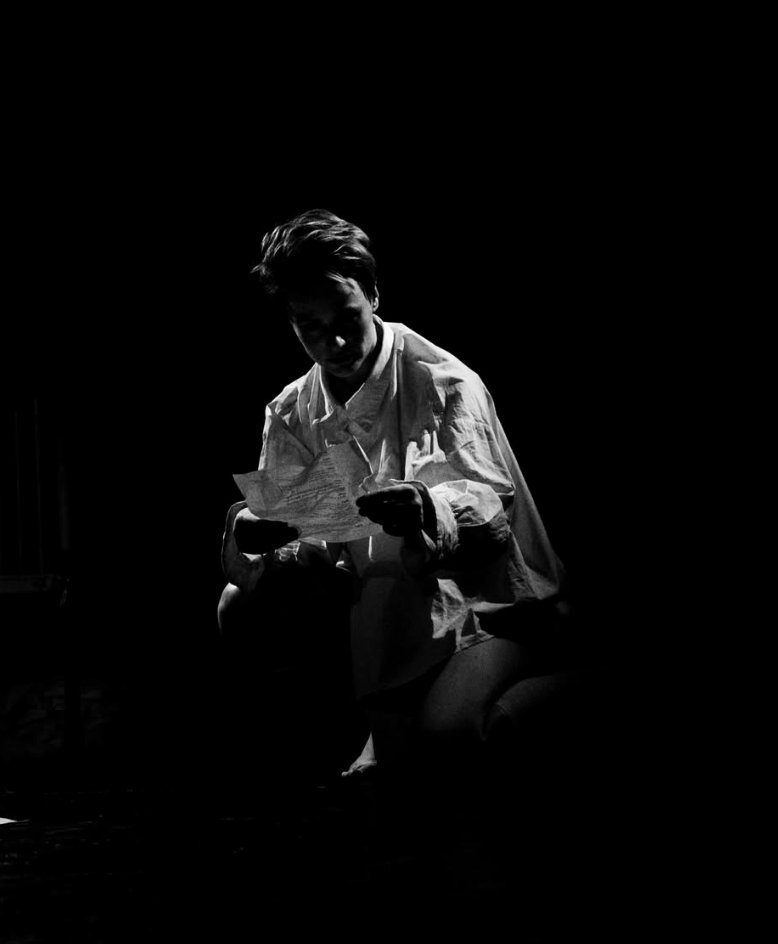
A kneeling figure in deep shadow, examining a fragment of paper
FIG. 03 · evidence “Something has been left behind. Or someone has.”
II.

On madness, and the suspicion that it is something we agree to share.

The piece asks a question it does not answer: is what we call madness a failure of cognition, or is it the moment a person stops performing the version of themselves we’ve all agreed to recognise?

Meg, the woman in the room, does not break down. She rearranges. Her sentences are coherent; it is the world around them that begins to slide. The audience is left to decide which of the two is unwell.

III.

On freedom: a quiet thesis about the difference between choosing and pretending.

The performance treats freedom not as an abstraction but as a posture, something we hold, until we tire of holding it. Meg tries on freedoms the way one tries on coats: this one fits, this one doesn’t, this one belonged to someone else.

You may find, by the end, that you have done some quiet trying-on yourself.

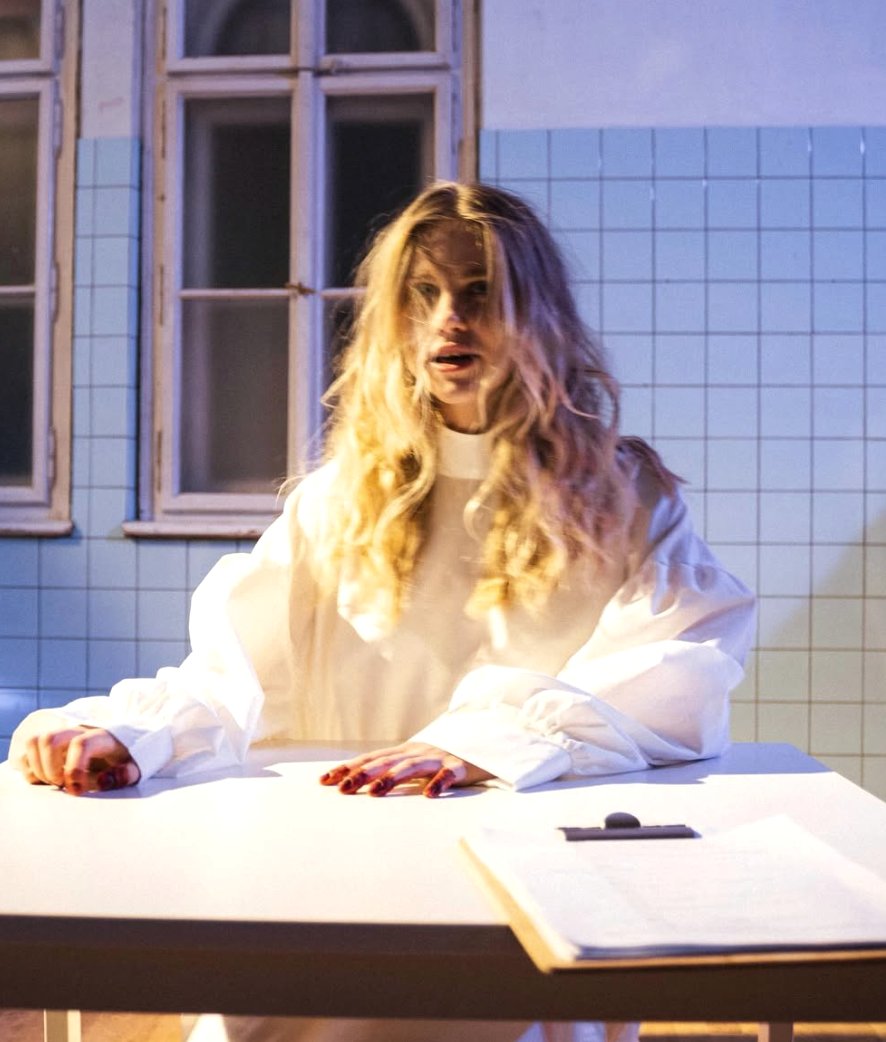
A woman in white at a table, blood on her hands, a stark gaze
FIG. 04 · the interview “Her sentences are coherent. The world around them is not.”
IV.

A note on the audience. You are not invited to watch. You are invited to listen.

There are no instructions. There is no participation in the bright, embarrassing sense. You will not be asked to come on stage. You will be asked, by the work itself, to notice, to attend, to lend the room your attention, which is the rarest currency we have.

What you do with what you notice is, of course, yours.

V.

A line from the production, left here without comment.

“Some doors should never be opened twice.”

The room is open for one Sunday only.

See dates and book